Umrah holds deep significance and can be performed at any time of the year except Hajj period. It involves rituals that symbolize devotion, purification, and spiritual renewal.
Umrah embodies unity among Muslims, as believers from diverse backgrounds come together to worship in the sacred precincts of Makkah. The journey fosters a deeper connection to Islamic teachings and history, offering a profound opportunity for spiritual growth and personal reflection.
Overall Umrah is a journey of faith, humility, and devotion, enriching the spiritual lives of those who undertake it and reinforcing their commitment to Allah and the principles of Islam.
Approach each of these steps with unwavering sincerity, genuine humility, and a profound sense of purpose. Remember that Umrah is not merely a physical journey, it is your opportunity to respond to Allah's call, seek His forgiveness wholeheartedly, and come back home feeling spiritually refreshed.
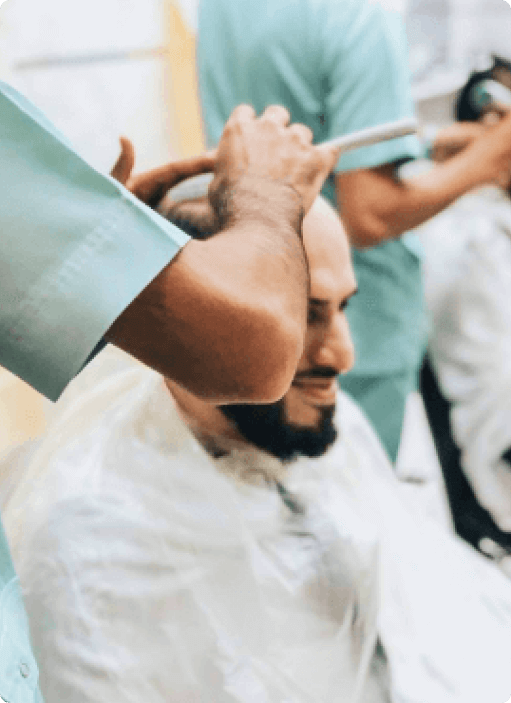
After completing the tawaf and sa'i, the umrah visitor shaves or cuts his hair, thereby completing the Umrah and what was prohibited during it is permitted for him.
The pilgrim may postpone cutting his hair until he returns to his residence, and he may have it cut for himself or by those residing with him. However, the prohibitions remain in effect until he is shaved.
Males show their right shoulder while circumambulating.
Males speeding up their steps during the first three rounds of Tawaf.
Praying two rak'ahs behind the shrine of Ibrahim, after Tawaf.
Males jogging when running between Safa and Marwa.
Was this page helpful?
90% of users said yes out of 2843 feedbacks
